Sleep is one of the most powerful recovery tools available.
During sleep, your body repairs muscle tissue, restores energy, and supports overall recovery.
Aim for 7–9 hours of quality sleep each night whenever possible.
When you hear the word "recovery," you might picture professional athletes soaking in ice baths, getting massages after every game, or using high-tech recovery equipment.
But here's the truth:
You don't have to be a professional athlete to recover like one.
Whether you're training for your first 5K, lifting weights a few times a week, chasing your kids around the house, or simply trying to feel better each day, your body deserves the same attention to recovery as your workouts.
Recovery isn't a luxury—it's an essential part of staying healthy, preventing injuries, and feeling your best.
Recovery is your body's opportunity to repair, rebuild, and recharge.
Every workout, long workday, or stressful week places demands on your muscles, joints, and nervous system. Recovery helps your body adapt so you can come back feeling stronger—not more exhausted.
Without adequate recovery, your body doesn't perform at its best.
Many people believe that the harder they push, the better their results.
In reality, your body becomes stronger during recovery—not during the workout itself.
Proper recovery can help:
Recovery isn't about taking time off—it's about helping your body keep doing what you love.
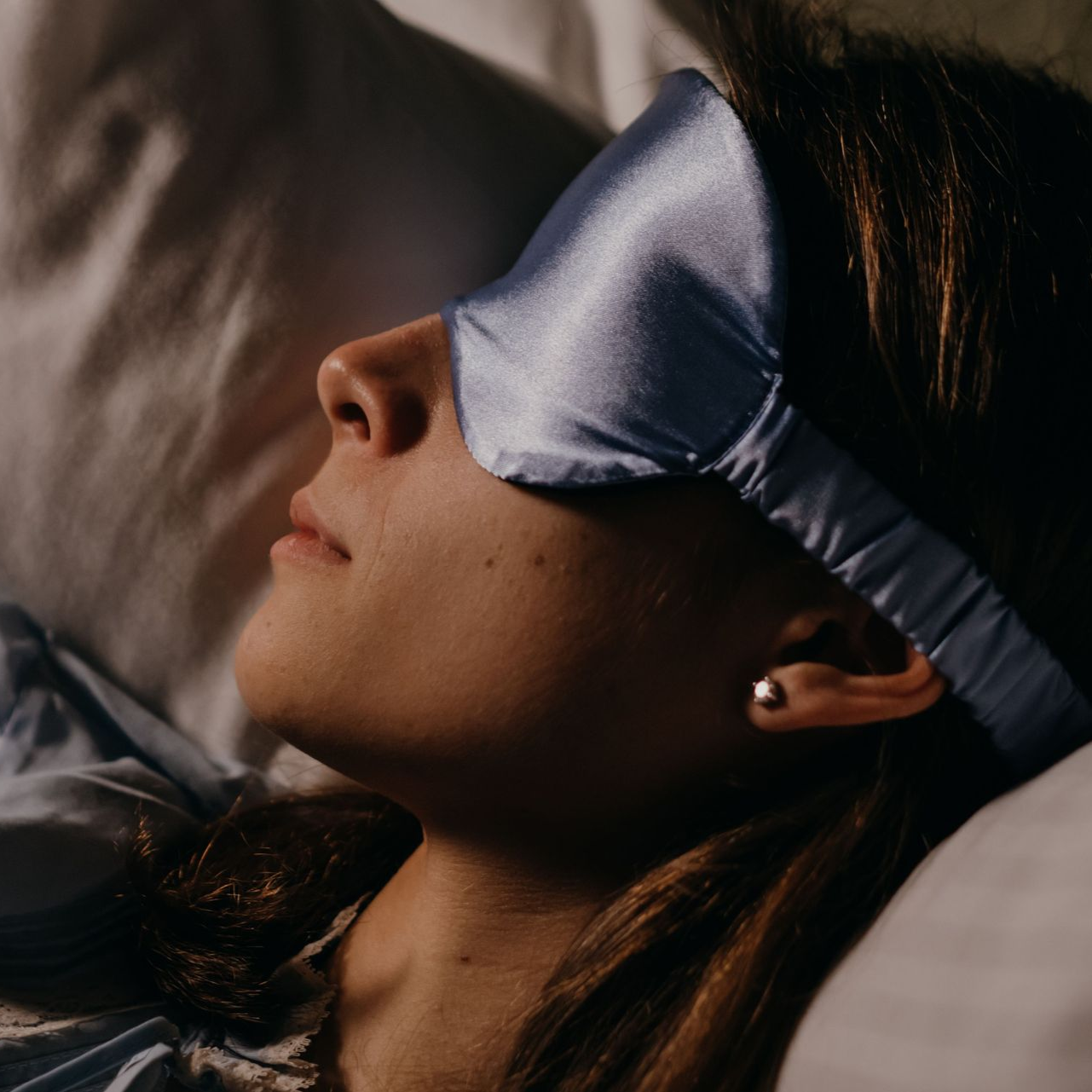
Sleep is one of the most powerful recovery tools available.
During sleep, your body repairs muscle tissue, restores energy, and supports overall recovery.
Aim for 7–9 hours of quality sleep each night whenever possible.
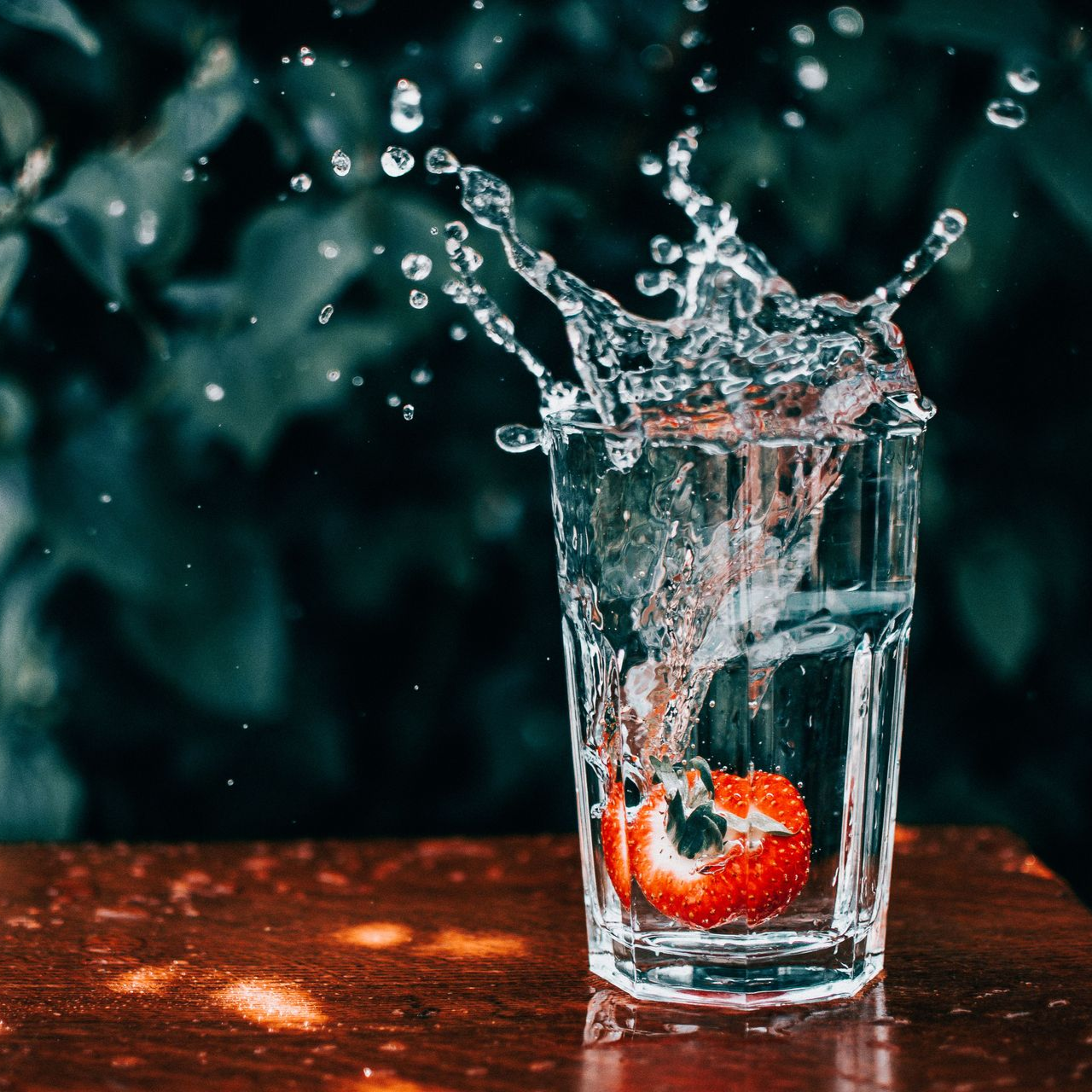
Your body needs fuel to recover.
Staying hydrated and eating a balanced diet with adequate protein, healthy carbohydrates, and healthy fats provides your muscles with the nutrients they need to repair and rebuild.
Even mild dehydration can contribute to fatigue, muscle cramps, and slower recovery.
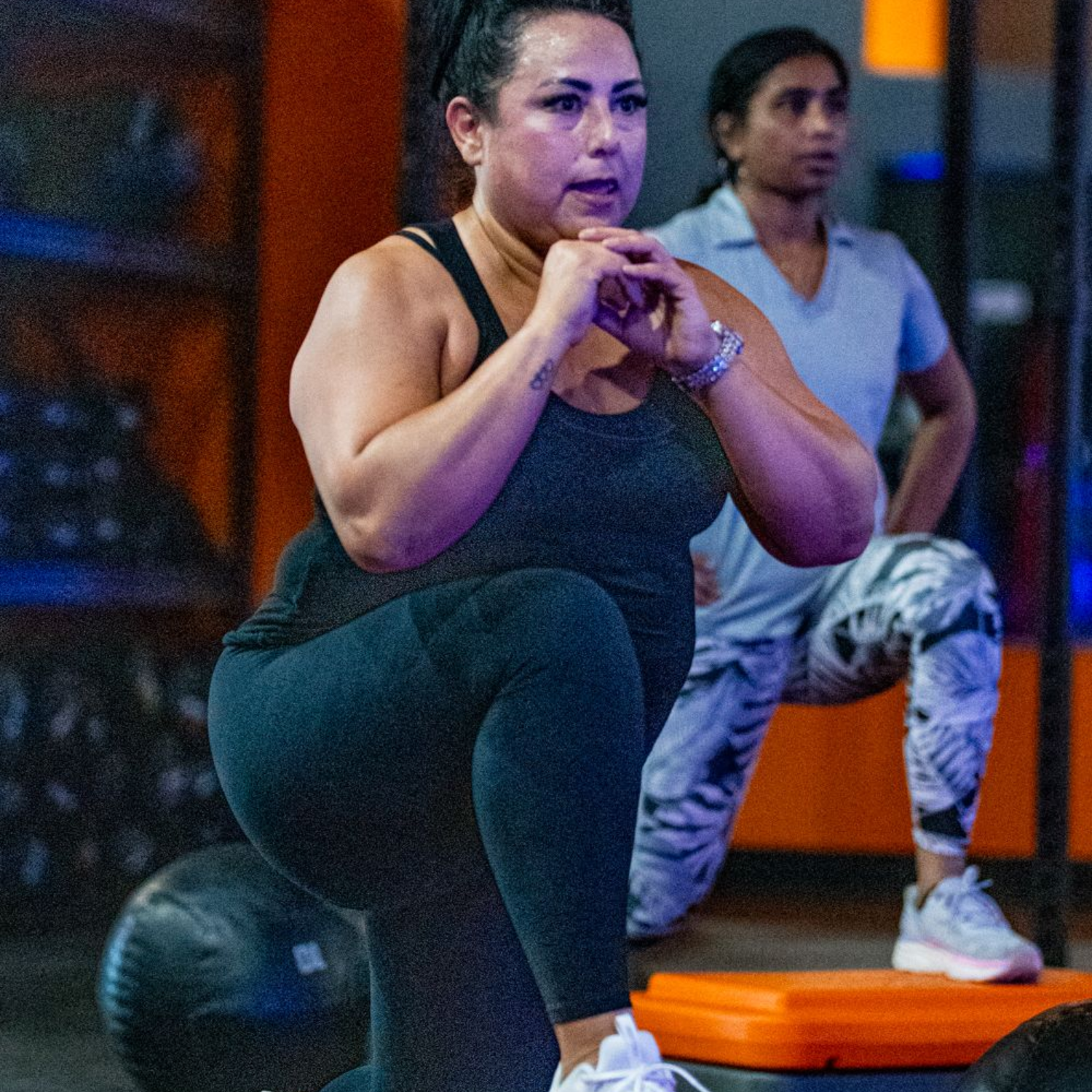
Recovery doesn't always mean sitting still.
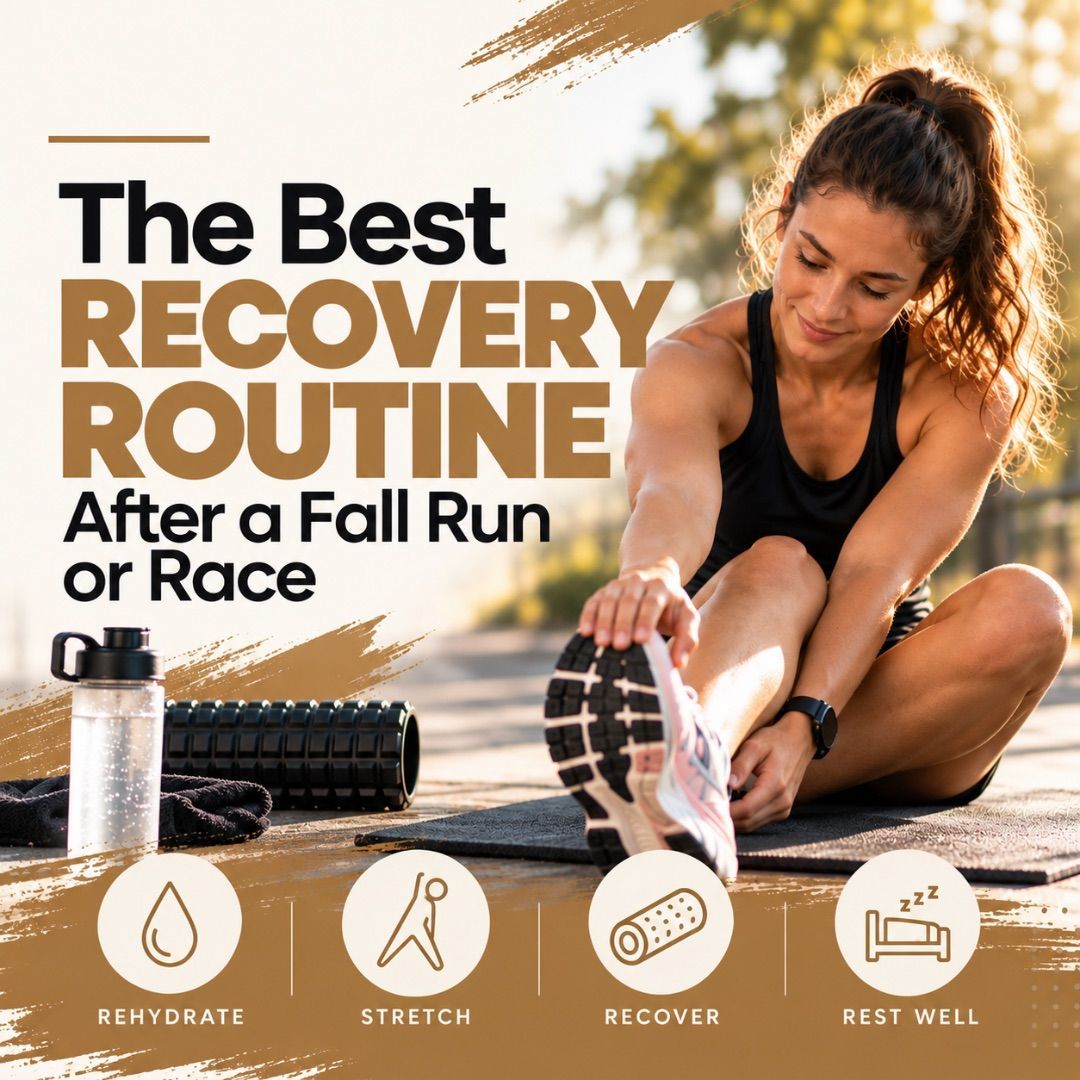
Light movement such as walking, stretching, or mobility exercises helps improve circulation and reduce stiffness.
This is known as active recovery and can help you feel better between workouts.
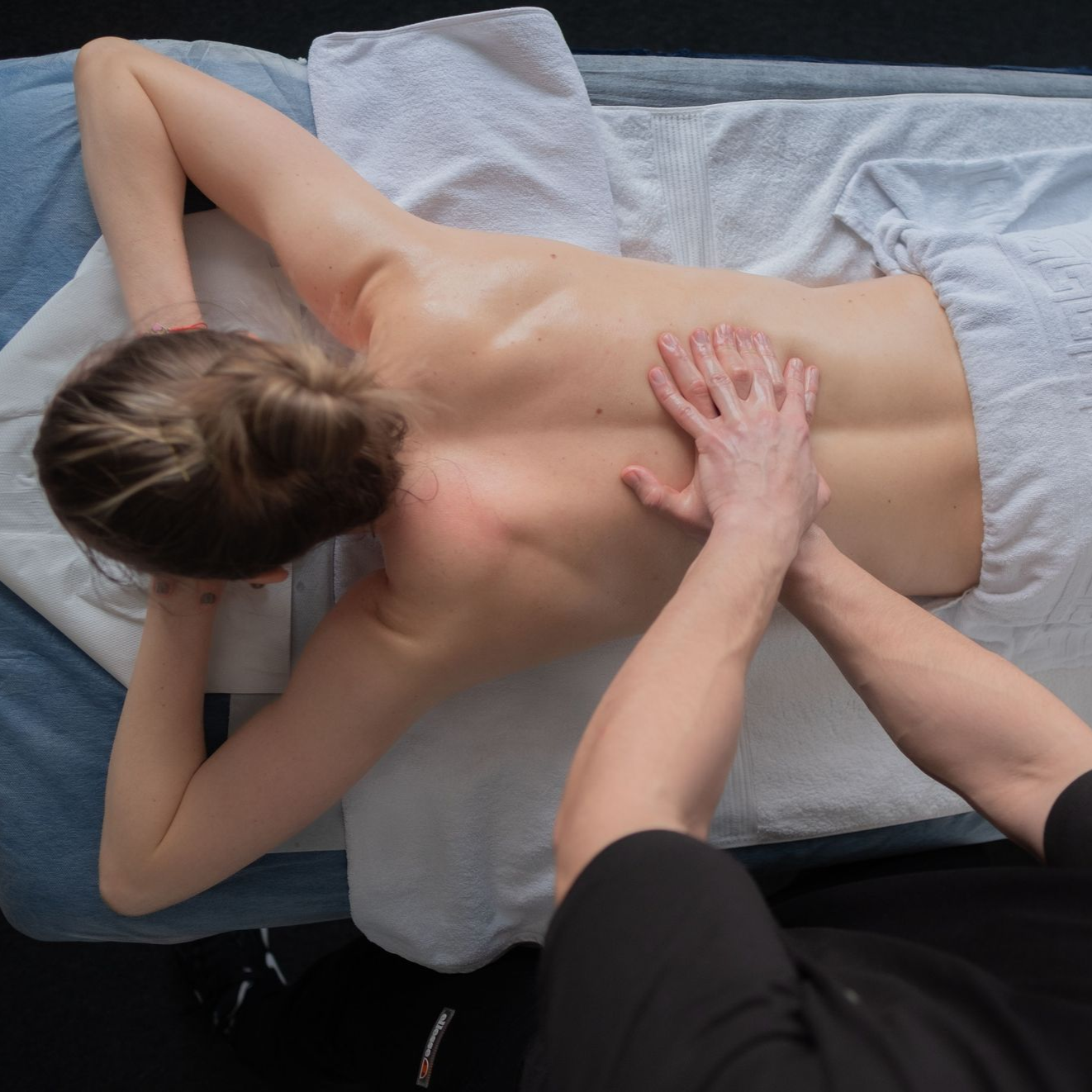
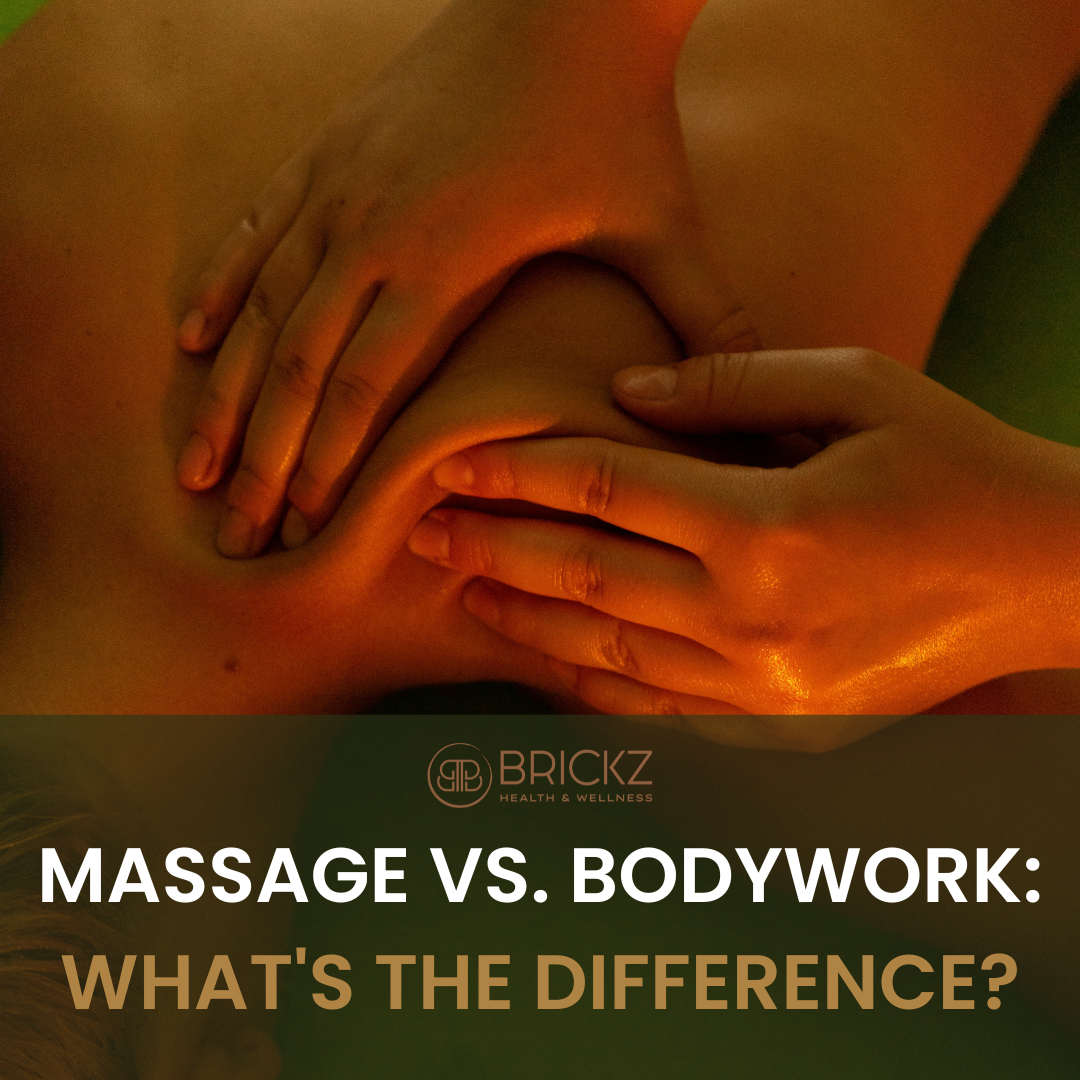
Massage therapy is one of the most effective ways to reduce muscle tension and promote relaxation.
Massage may help:
It's an excellent option for anyone looking to recover from exercise or simply unwind after a busy week.
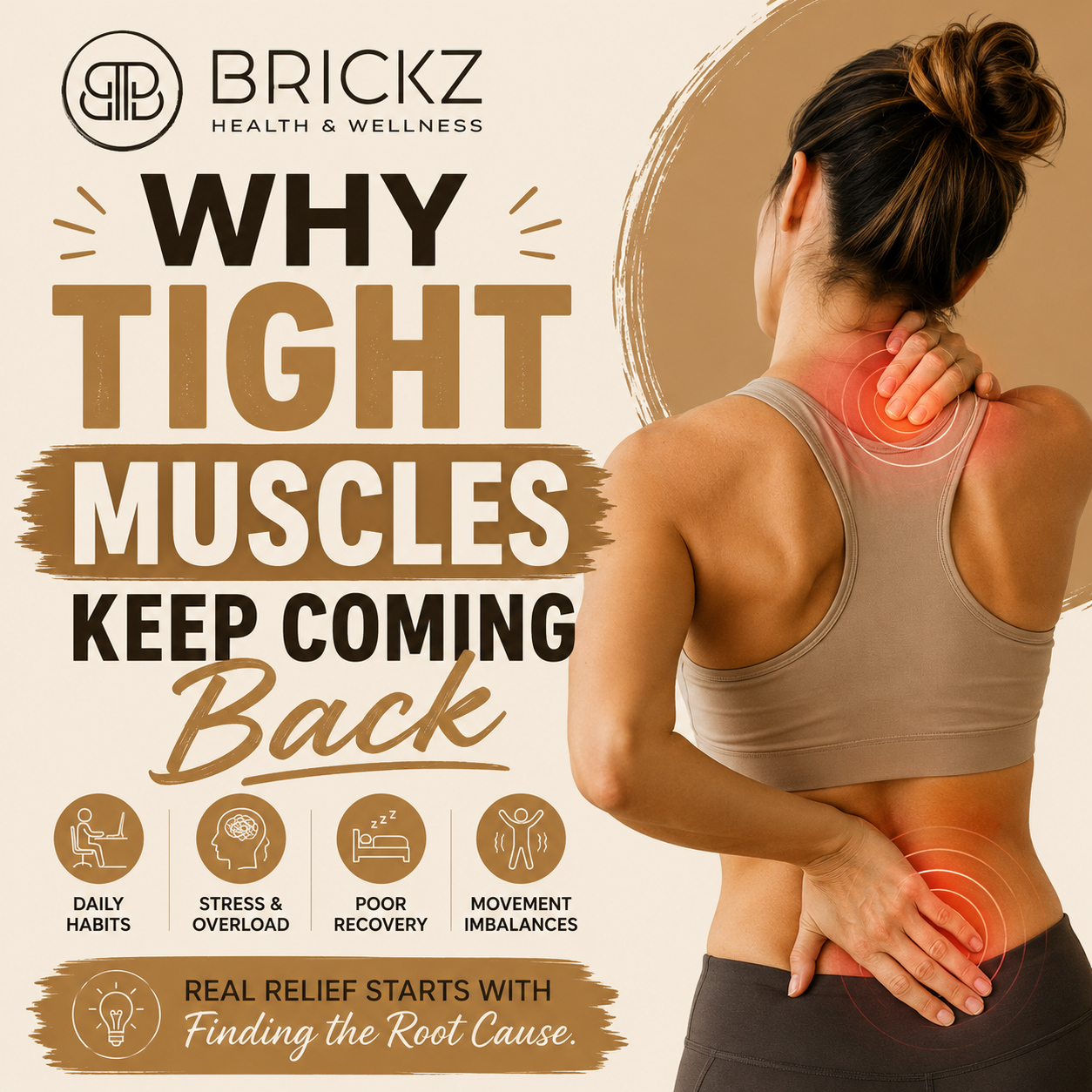
Sometimes tight muscles aren't the real problem.
Recurring pain, stiffness, or movement limitations are often caused by underlying muscle imbalances, restricted fascia, or dysfunctional movement patterns.
That's where specialized bodywork can make a difference.
Unlike traditional massage, bodywork focuses on identifying and treating the source of the problem rather than simply relieving symptoms.
Bodywork may help:
If you've ever thought, "My shoulder always gets tight," or "My back pain keeps coming back," bodywork may be exactly what your body needs.
In addition to massage and bodywork, other recovery services can help support your body's natural healing process.
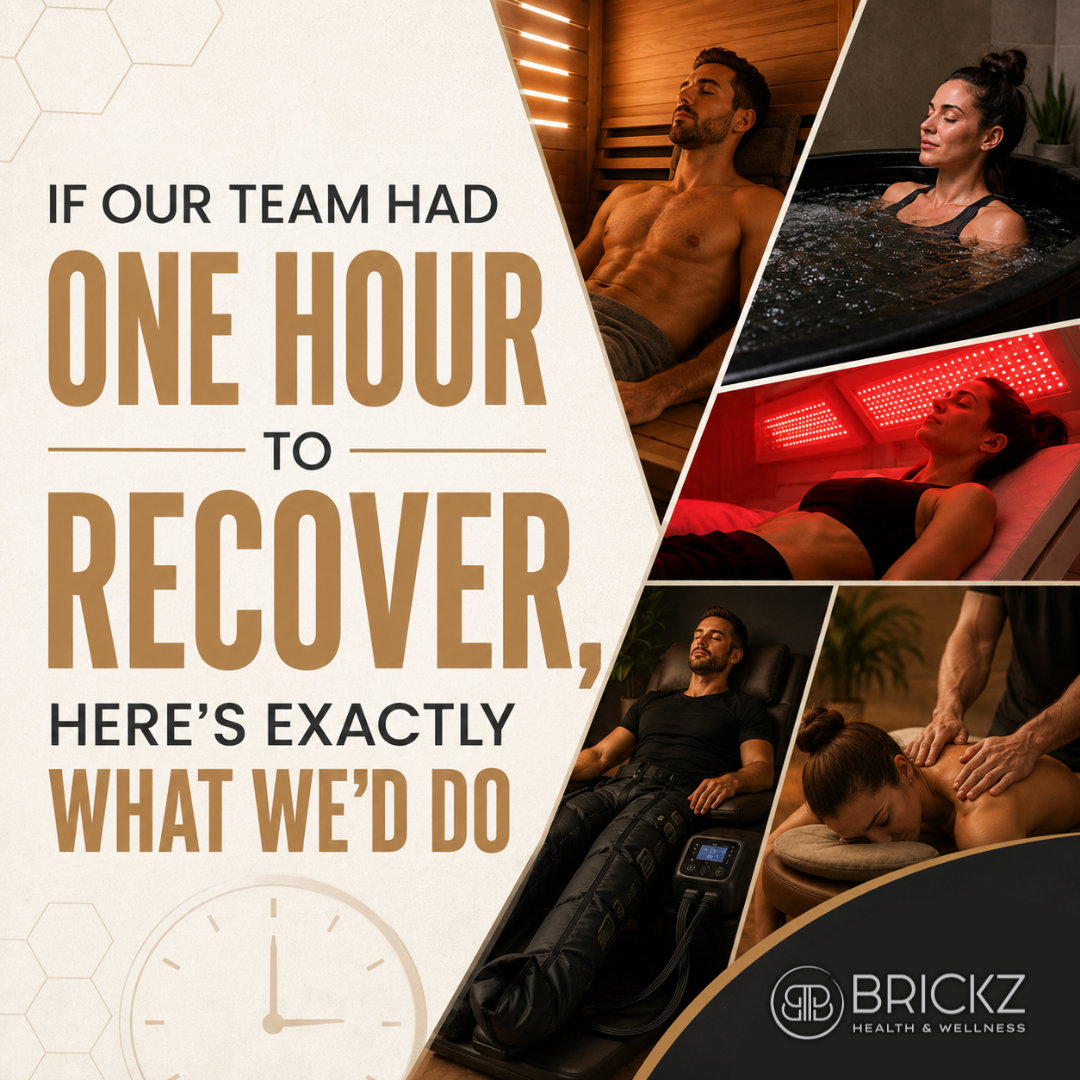
Heat helps relax muscles, improve circulation, and prepare your body for movement while promoting relaxation.
Cold water immersion may help reduce post-workout soreness and leave you feeling refreshed after intense activity.
Compression therapy encourages healthy circulation and may help reduce muscle fatigue, especially after long runs, strength training, or time spent on your feet.
Red light therapy supports your body's natural recovery processes and can be a valuable addition to your overall wellness routine.
PEMF (Pulsed Electromagnetic Field) Therapy is designed to support healthy cellular function and promote your body's natural recovery process.
Recovery isn't reserved for elite athletes.
It's for:
The more consistently you care for your body, the better it will care for you.
Your workouts are only part of the equation.
How you recover determines how well you perform tomorrow, next week, and years from now.
Whether it's prioritizing sleep, staying hydrated, scheduling a massage, addressing movement restrictions through bodywork, or incorporating recovery therapies into your routine, small, consistent habits can make a big impact.
At Brickz Health & Wellness, we believe recovery is for everyone—not just athletes.
Our team offers massage therapy, specialized bodywork, infrared sauna, cold plunge, compression therapy, red light therapy, and PEMF to help you recover smarter, move better, and feel your best.
Because you don't have to be an athlete to recover like one—you just have to make recovery a priority.