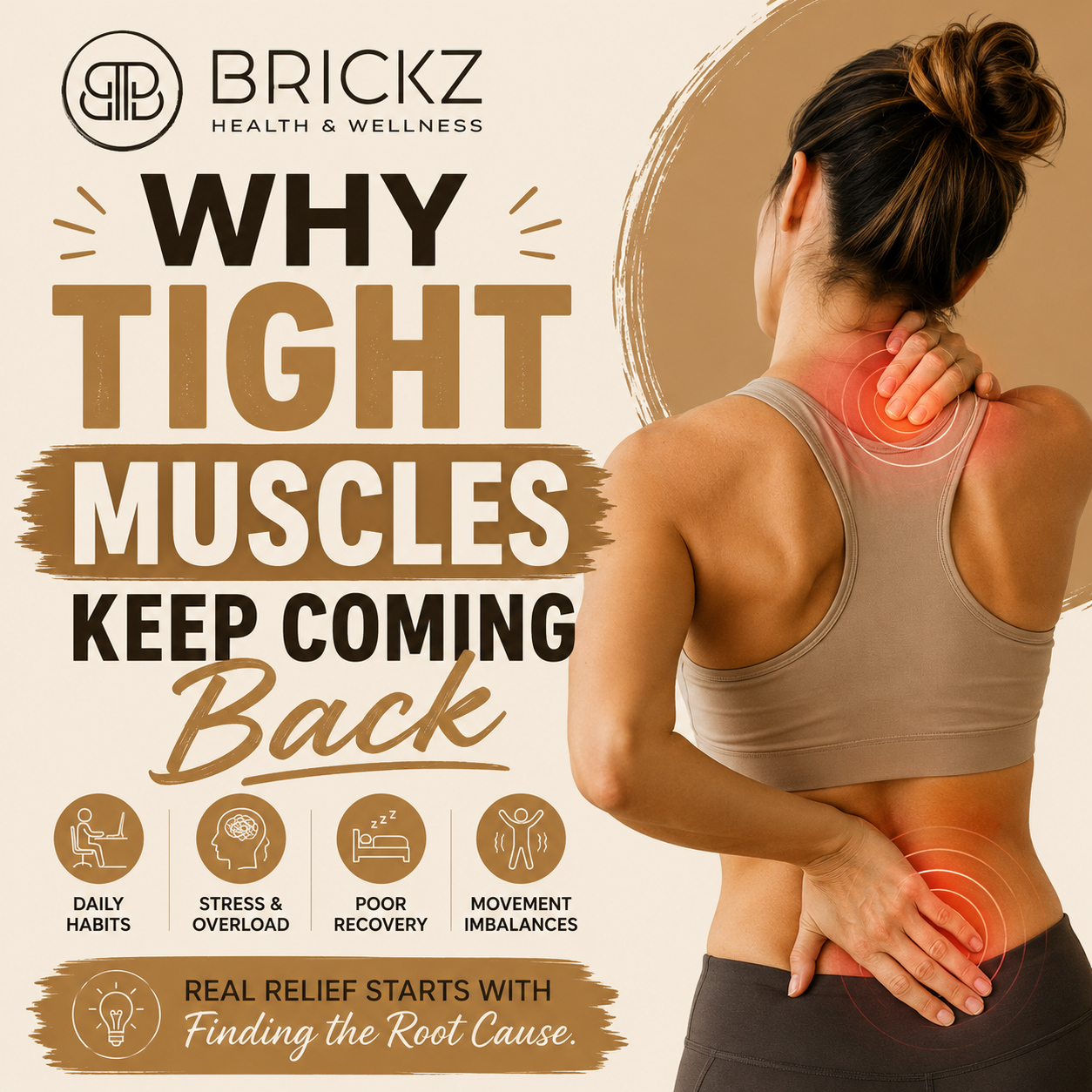
Why Your Hips Feel Tight (Even If You Stretch)
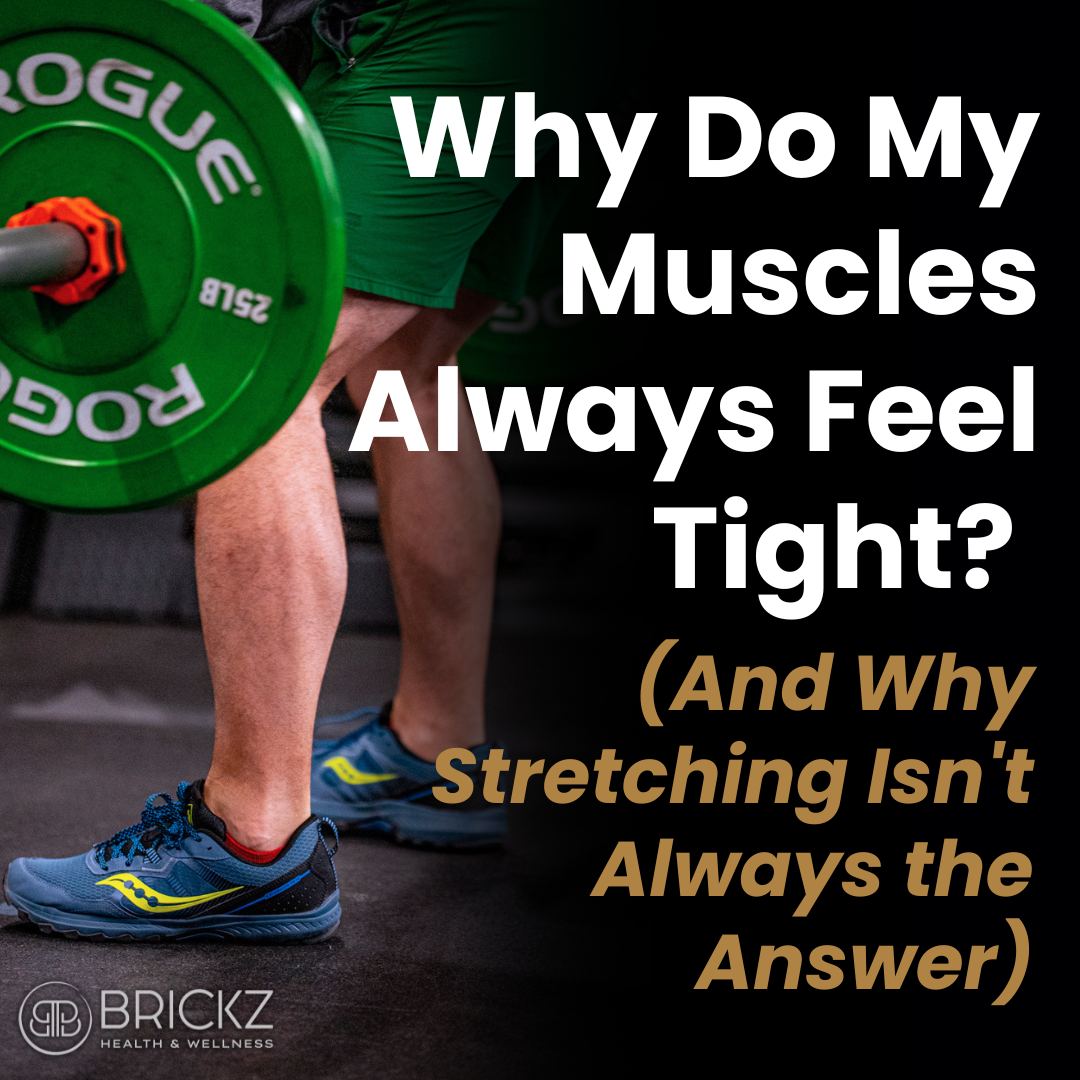
Do your hips always feel tight?
Maybe you stretch before your workout, after your workout, or even throughout the day—but the tightness always seems to come back.
If that sounds familiar, you're not alone.
Hip tightness is one of the most common complaints we see, and surprisingly, stretching isn't always the answer.
In many cases, tight hips are a symptom of something else going on in your body.
Why Do Your Hips Feel Tight?
Your hips are involved in nearly every movement you make.
Walking, running, lifting weights, climbing stairs, sitting at your desk, and even standing all rely on healthy hip mobility.
When something isn't functioning properly, your hips often become the area that lets you know.
Sitting All Day Can Tighten Your Hips
Many of us spend hours each day sitting at a desk, in the car, or on the couch.
When you sit for long periods, the muscles at the front of your hips (your hip flexors) remain in a shortened position. Over time, this can lead to stiffness and reduced mobility.
The result?
- Tight hips
- Lower back discomfort
- Poor posture
- Difficulty squatting
- Reduced range of motion
Even if you exercise regularly, sitting for most of the day can still contribute to hip tightness.
It Might Not Be Your Hips at All
Here's something many people don't realize:
The muscles that feel tight aren't always the muscles causing the problem.
Weak glutes, poor core stability, limited ankle mobility, or movement imbalances can force your hips to work harder than they should.
Your body is incredibly smart—it compensates to keep you moving. Unfortunately, those compensations often show up as chronic tightness.
Runners Often Experience Tight Hips
Running places repetitive stress on the hips.
Without proper strength training and recovery, runners may develop:
- Tight hip flexors
- Tight glutes
- Limited hip mobility
- Muscle imbalances
- Lower back tightness
Recovery becomes just as important as the miles you log.
Fascia Can Play a Role
Your muscles are surrounded by connective tissue called fascia.
When fascia becomes restricted due to repetitive movement, injury, poor posture, or inactivity, it can limit mobility and create the feeling of constant tightness.
That's why stretching may provide temporary relief without solving the underlying issue.
Stress Can Make Your Hips Feel Tight
Stress doesn't just affect your mind—it affects your body.
When you're under stress, muscles naturally become more guarded and tense.
Many people carry that tension in their:
- Neck
- Shoulders
- Jaw
- Lower back
- Hips
Addressing stress through movement, recovery, and relaxation can make a noticeable difference.
Why Stretching Alone Isn't Enough
Stretching has its place, but if you only stretch without addressing the reason your hips feel tight, the problem often returns.
Lasting improvement usually comes from a combination of:
- Improving mobility
- Building strength
- Correcting movement patterns
- Reducing soft tissue restrictions
- Prioritizing recovery
How Massage Can Help
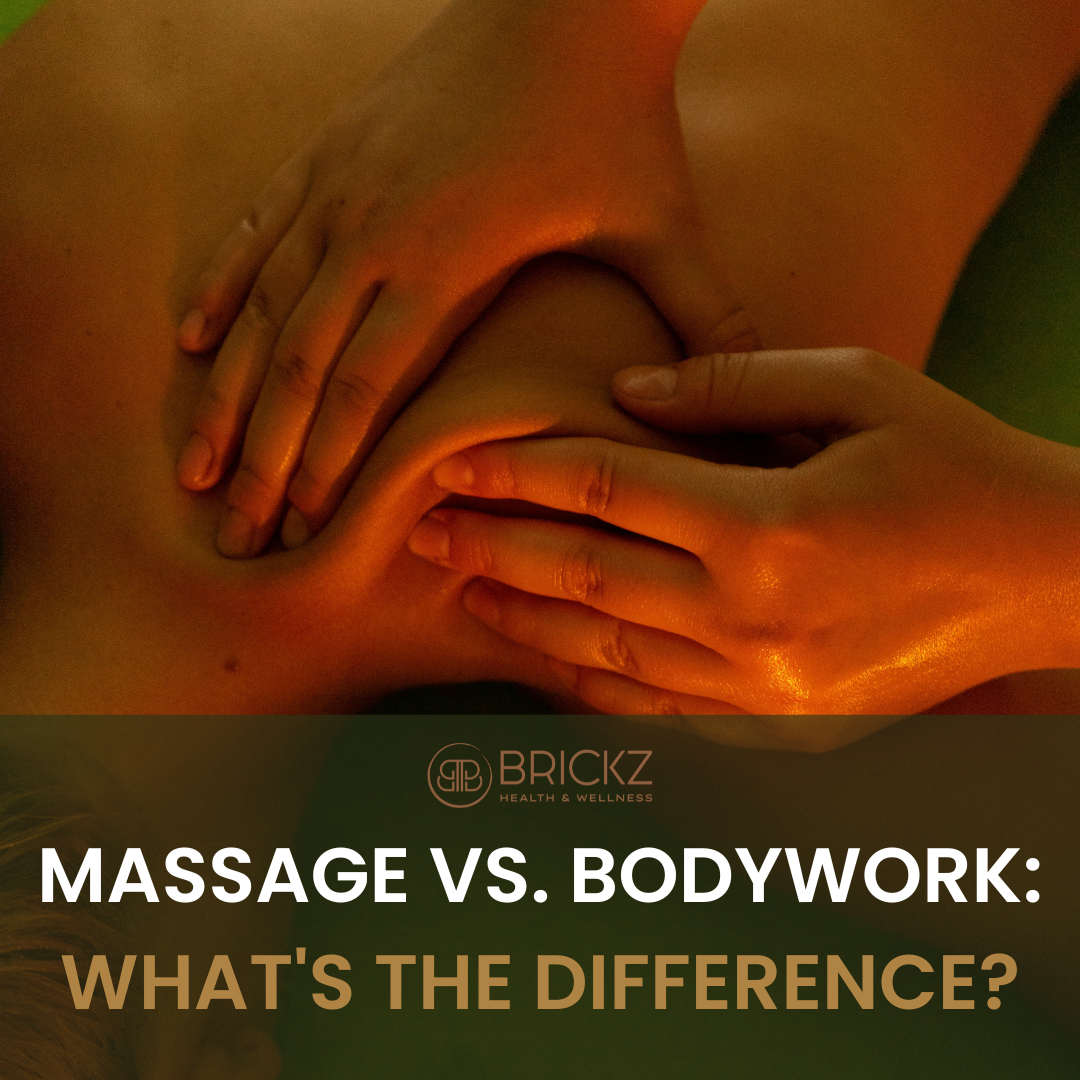
Massage therapy helps relax tight muscles, improve circulation, and reduce muscle tension.
It's an excellent option for people who experience general soreness, stiffness, or stress-related tightness.
Massage can also help you move more comfortably and recover more effectively after exercise.
How Specialized Bodywork Can Help
If your hips always seem to tighten back up, specialized bodywork may be a better solution.
Rather than focusing only on where you feel discomfort, bodywork evaluates how your body moves as a whole.
By addressing movement restrictions, muscle imbalances, and soft tissue dysfunction, bodywork helps identify and treat the root cause of recurring tightness.
Many clients notice improvements not only in their hips but also in their lower back, knees, and overall movement.
Other Recovery Tools That Can Help
Depending on your needs, additional recovery services may also support healthy movement, including:
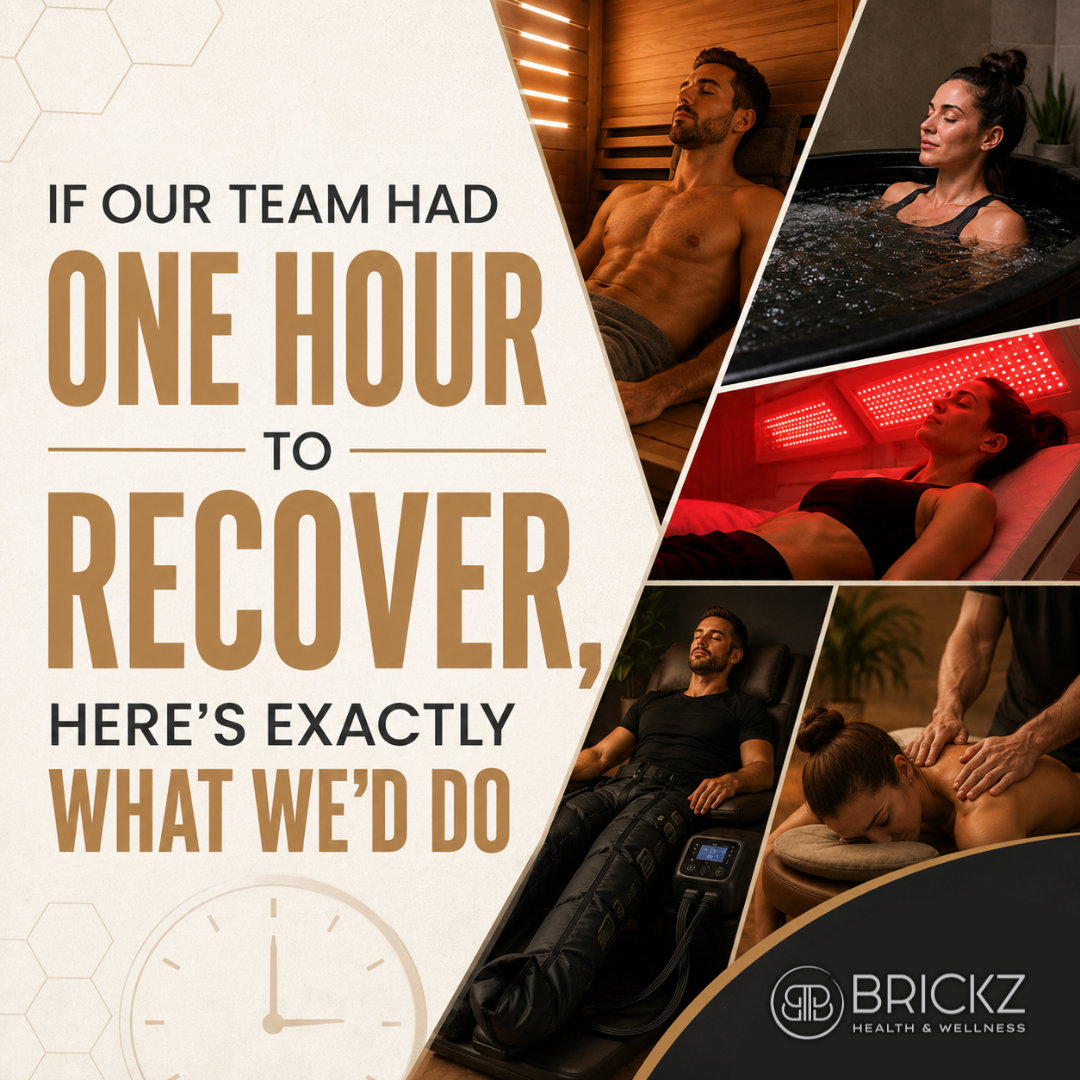
- Infrared Sauna to help relax tight muscles
- Compression Therapy to promote circulation
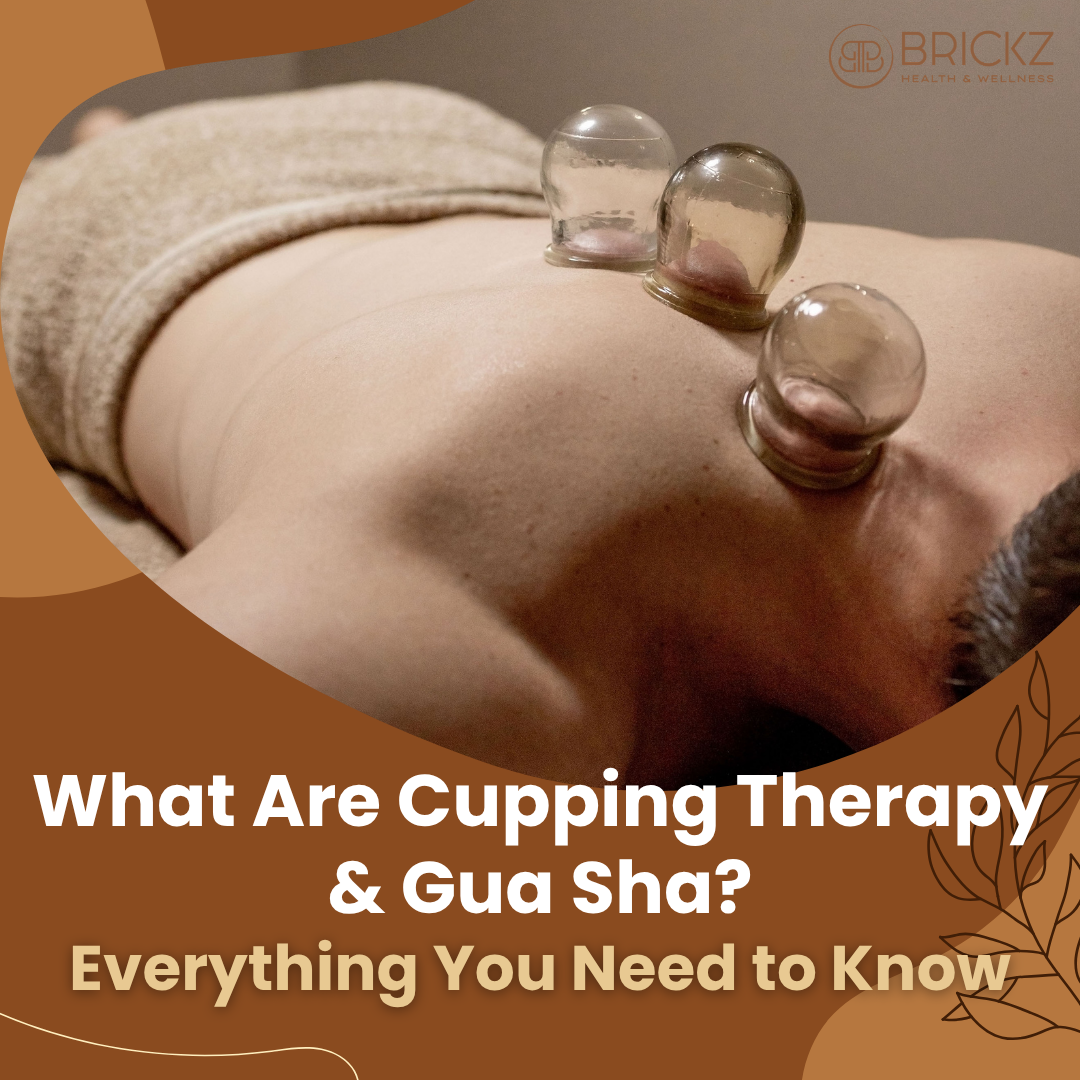
- Cupping Therapy to improve mobility and reduce muscle tension
- Gua Sha to address soft tissue restrictions
- Red Light Therapy and PEMF as part of a comprehensive recovery plan
Tips for Healthier Hips
In addition to regular recovery treatments, try these habits:
- Get up and move every 30–60 minutes if you sit for long periods.
- Strengthen your glutes and core.
- Include mobility exercises in your weekly routine.
- Warm up before workouts.
- Prioritize recovery after long runs or intense exercise.
- Don't ignore recurring tightness—it may be your body's way of telling you something needs attention.
The Bottom Line
If your hips always feel tight, stretching alone may not be enough.
The key is identifying why they're tight in the first place.
Whether it's prolonged sitting, muscle imbalances, repetitive exercise, restricted fascia, or stress, addressing the underlying cause can help you move more freely and comfortably.
At Brickz Health & Wellness, our team uses massage therapy, specialized bodywork, cupping, Gua Sha, and other recovery services to help relieve tension, restore movement, and keep you doing the activities you love.
Don't just chase temporary relief—discover what's causing your tight hips and start moving better for the long term.