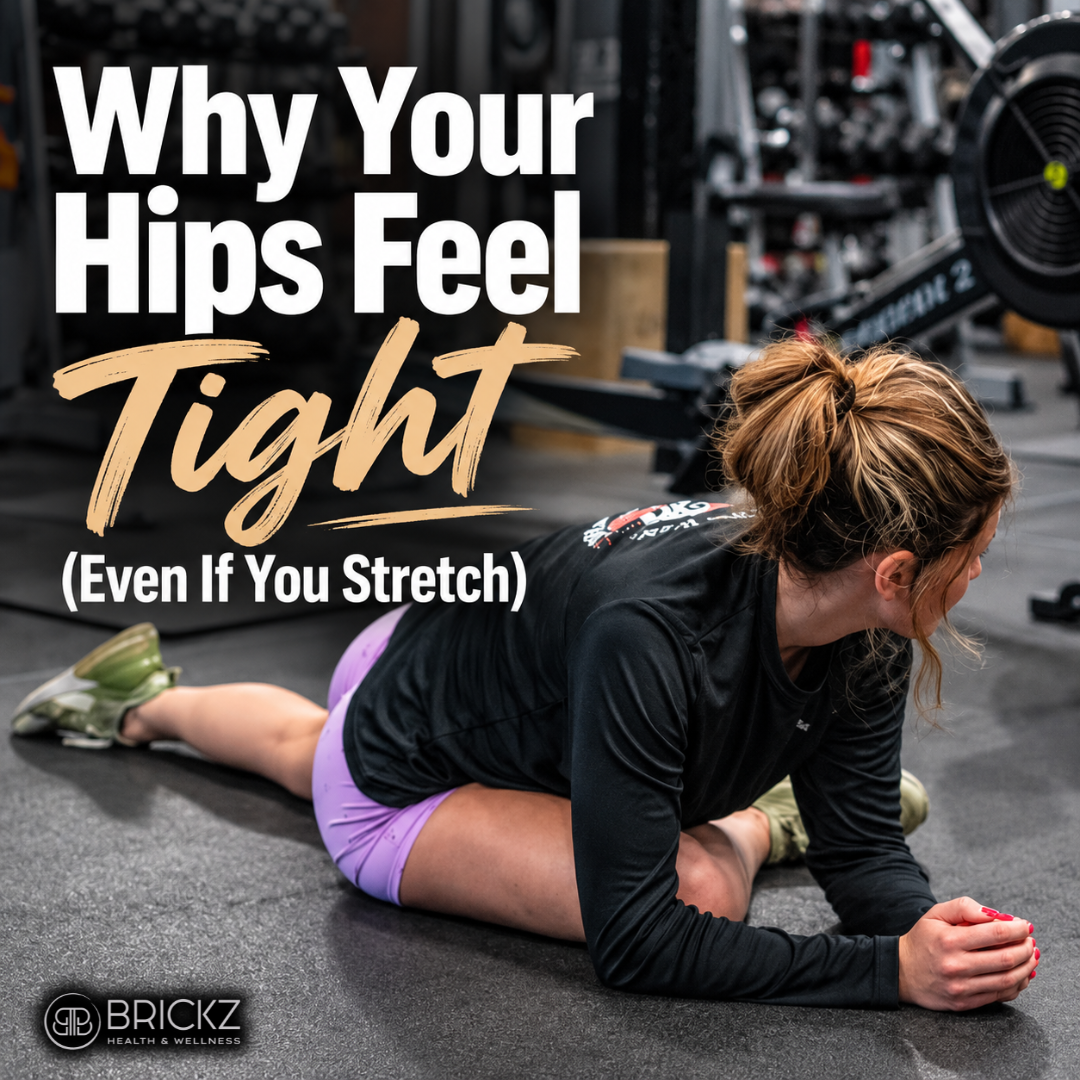
Why Do My Muscles Always Feel Tight? (And Why Stretching Isn't Always the Answer)
If you've ever said...
- "My shoulders are always tight."
- "I stretch every day, but nothing changes."
- "My back loosens up for a little while, then gets tight again."
You're not alone.
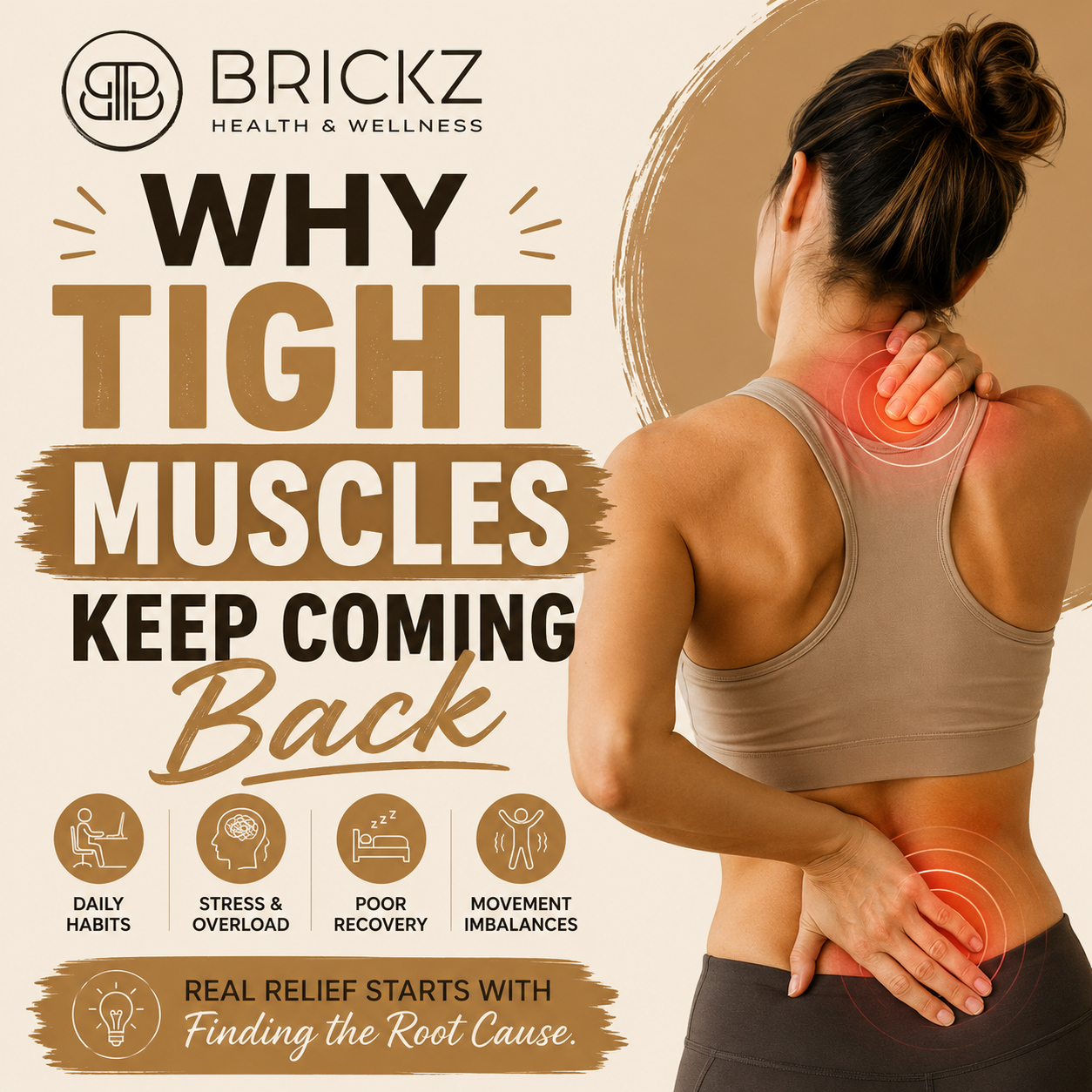
Muscle tightness is one of the most common complaints we hear, and while stretching can provide temporary relief, it often doesn't address the root cause.
The good news? Understanding
why your muscles feel tight is the first step toward lasting relief.
Tight Muscles Aren't Always Short Muscles
Many people assume tight muscles simply need to be stretched.
In reality, muscles can feel tight for many different reasons, including:
- Poor posture
- Repetitive movements
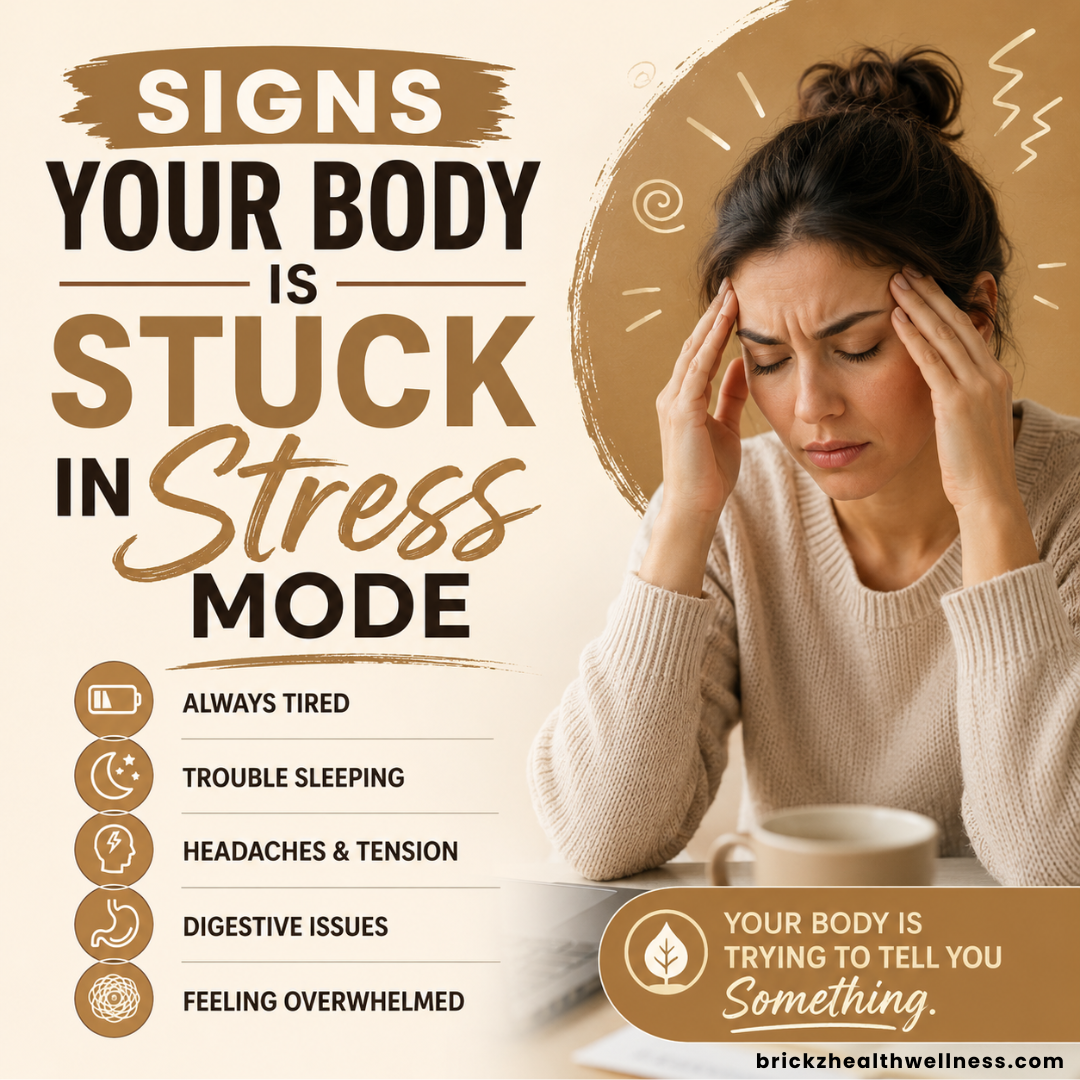
- Stress
- Muscle imbalances
- Previous injuries
- Overuse from exercise
- Lack of movement
Sometimes a muscle isn't actually "short"—it's working overtime to compensate for weakness or dysfunction somewhere else in the body.
That's why stretching alone may not solve the problem.
The Role of Fascia
Your muscles are surrounded by connective tissue called fascia.
When fascia becomes restricted from repetitive movement, poor posture, injury, or inactivity, it can create stiffness and limit how well your muscles move.
Think of fascia like a sweater.
If one thread gets pulled, it affects the entire sweater.
The same thing can happen in your body—tightness in one area can create discomfort somewhere completely different.
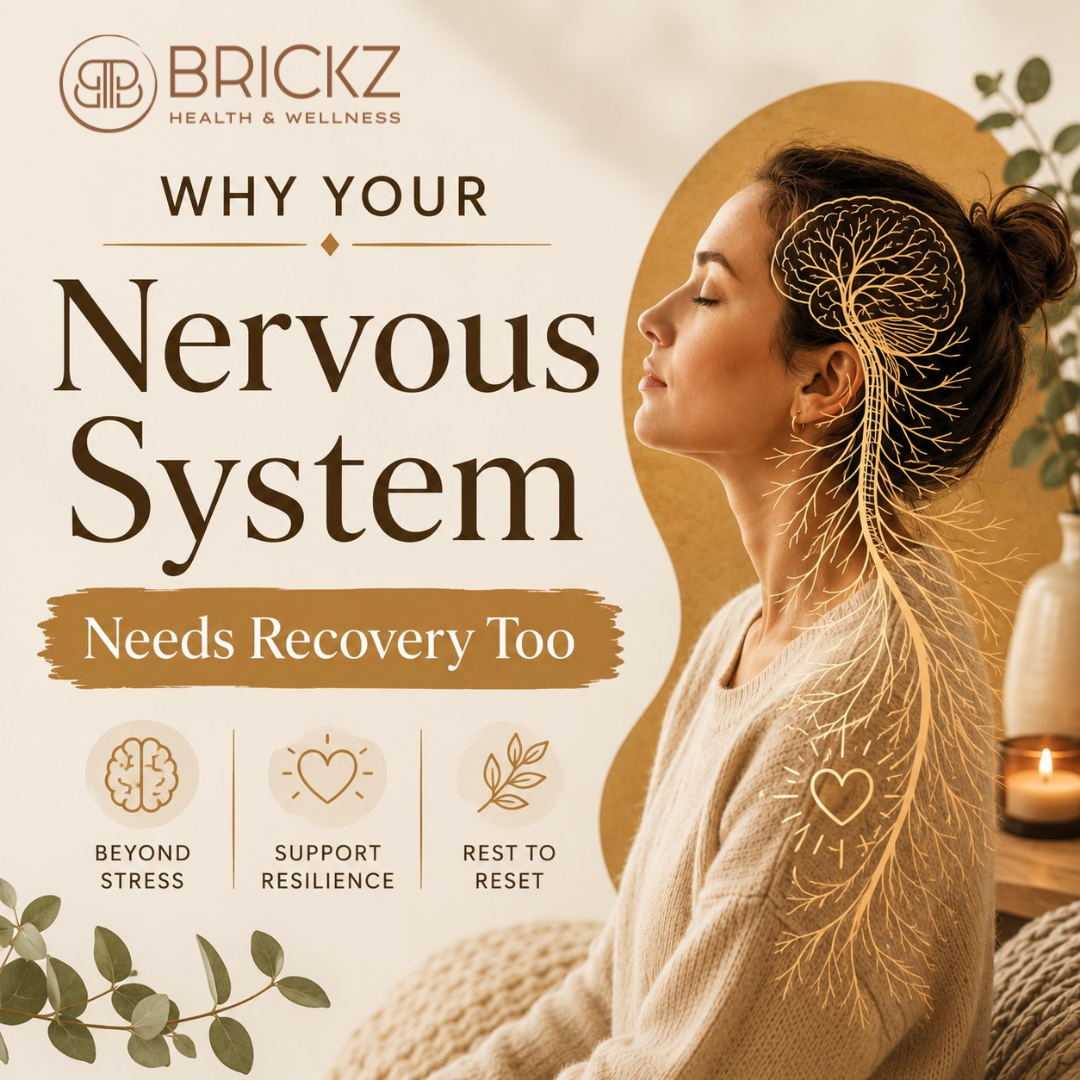
Stress Can Make Your Body Feel Tight
Physical activity isn't the only thing that creates muscle tension.
Emotional stress can cause your muscles to stay contracted for hours at a time, especially in your:
- Neck
- Shoulders
- Upper back
- Jaw
- Hips
If you spend your day at a desk or under constant stress, your body may never fully relax, leaving you feeling tight even if you haven't exercised.
Sitting All Day Can Be Just as Tough as Working Out
Many people associate tight muscles with intense workouts.
However, sitting for long periods can create just as much tension.
Hours spent at a desk often lead to:
- Tight hip flexors
- Rounded shoulders
- Neck stiffness
- Lower back discomfort
- Reduced mobility
Your body is designed to move. The longer you stay in one position, the more stiffness can build.
Why Stretching Sometimes Doesn't Work
Stretching is an important part of staying mobile, but it isn't always enough.
If the underlying issue is restricted fascia, trigger points, muscle imbalances, or poor movement patterns, simply pulling on the muscle may provide only temporary relief.
That's why many people notice they feel tight again just a few hours later.
What Can Help?
The best approach depends on the cause of your tightness, but a combination of treatments often provides the best long-term results.
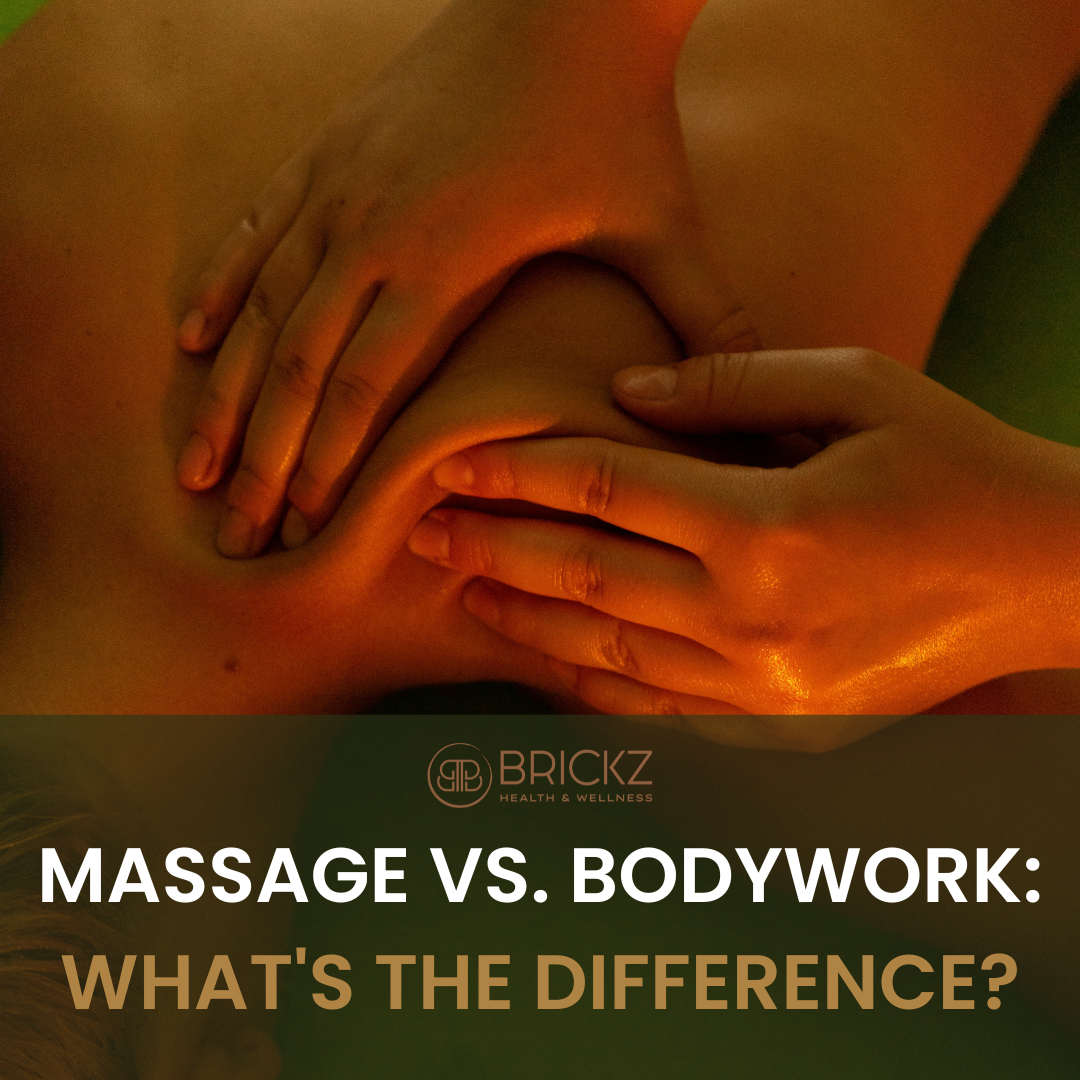
Massage helps reduce muscle tension, improve circulation, and promote relaxation, making it an excellent option for general soreness, stress, and everyday tightness.
Bodywork goes beyond the muscles to identify movement restrictions and address the underlying causes of recurring pain and stiffness.
Rather than simply treating where it hurts, bodywork focuses on improving how your body moves as a whole.
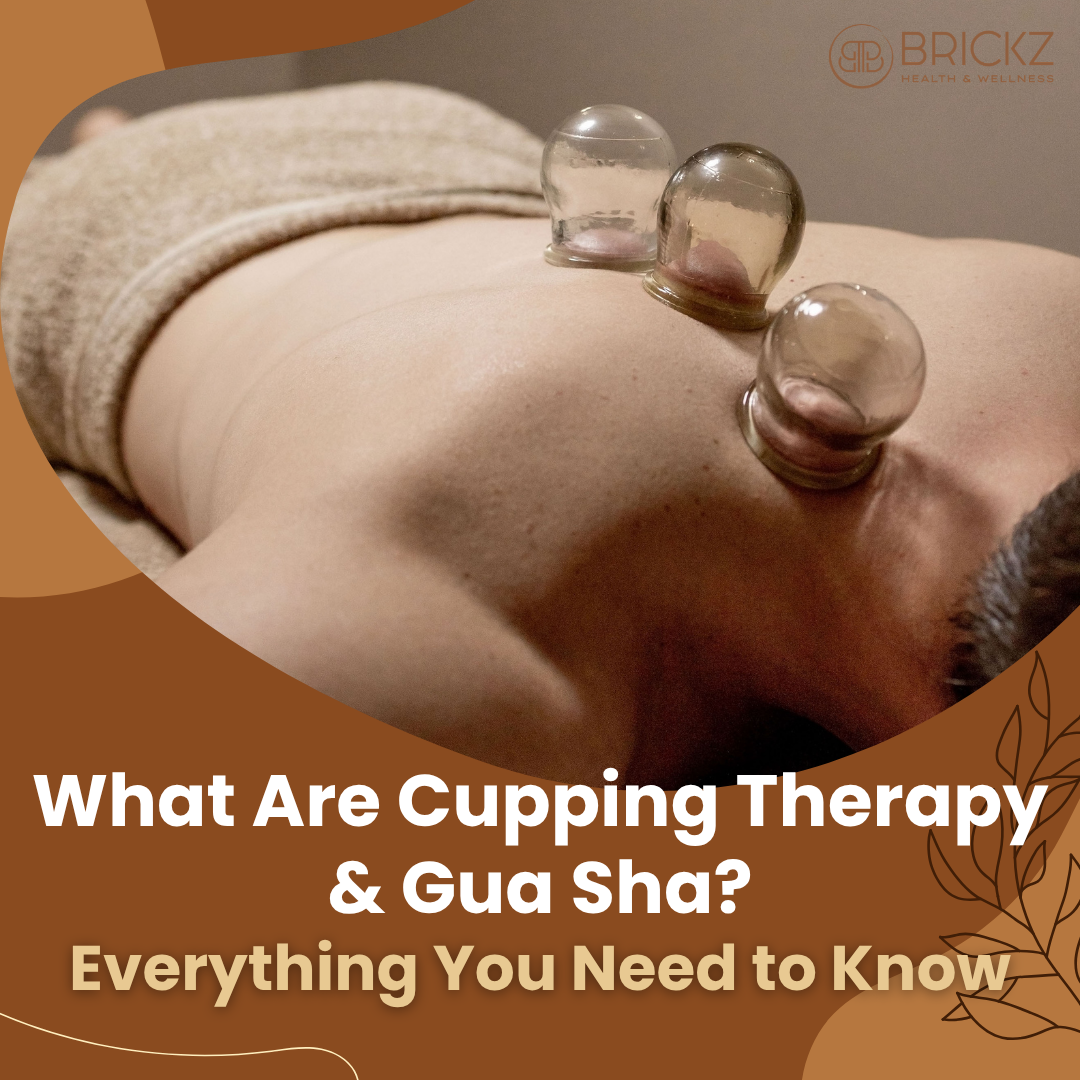
Cupping gently lifts the tissues instead of compressing them, helping improve mobility, reduce muscle tension, and increase circulation.
Many clients describe it as feeling like a deep stretch from the inside out.
Gua Sha
Gua Sha uses a smooth-edged tool to release restrictions in soft tissue, improve circulation, and restore healthy movement.
It's especially effective for stubborn areas of chronic tightness.
How to Prevent Tight Muscles
Along with regular treatment, a few simple habits can help reduce muscle tension:
✔ Move throughout the day instead of sitting for long periods.
✔ Strengthen weak muscles to improve overall movement.
✔ Stay hydrated.
✔ Prioritize quality sleep.
✔ Manage daily stress.
✔ Schedule regular recovery sessions instead of waiting until you're in pain.
The Bottom Line
If your muscles always feel tight, your body may be trying to tell you something.
Instead of constantly chasing temporary relief with stretching alone, it may be time to address the root cause.
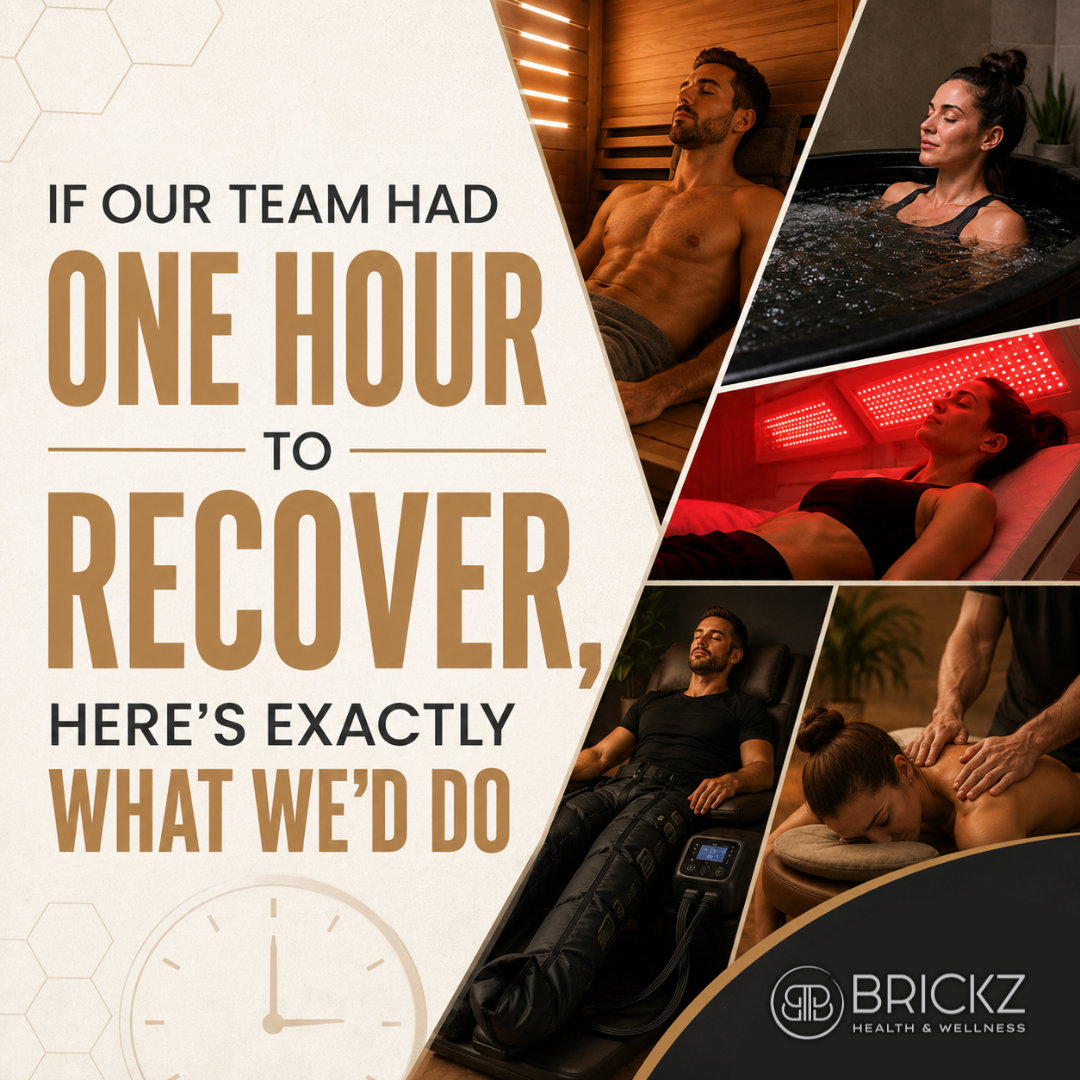
At Brickz Health & Wellness, our team takes a personalized approach to recovery. Whether that's massage therapy, specialized bodywork, cupping, Gua Sha, or a combination of treatments, we'll help you find the solution that's right for your body.
Ready to move better and feel better?
Schedule your next appointment with Brickz Health & Wellness and let our team help you get to the root of your muscle tightness—not just the symptoms.