Signs Your Body Is Stuck in Stress Mode
Stress is a normal part of life.
In small doses, stress can actually be helpful. It helps us stay alert, focused, and prepared to handle challenges. But when stress becomes constant, the body can begin to operate in a prolonged state of "fight or flight."
The problem?
Many people become so accustomed to feeling stressed that they no longer recognize the signs.
If you've been feeling "off" lately, your body may be telling you it needs recovery.
What Does It Mean to Be Stuck in Stress Mode?
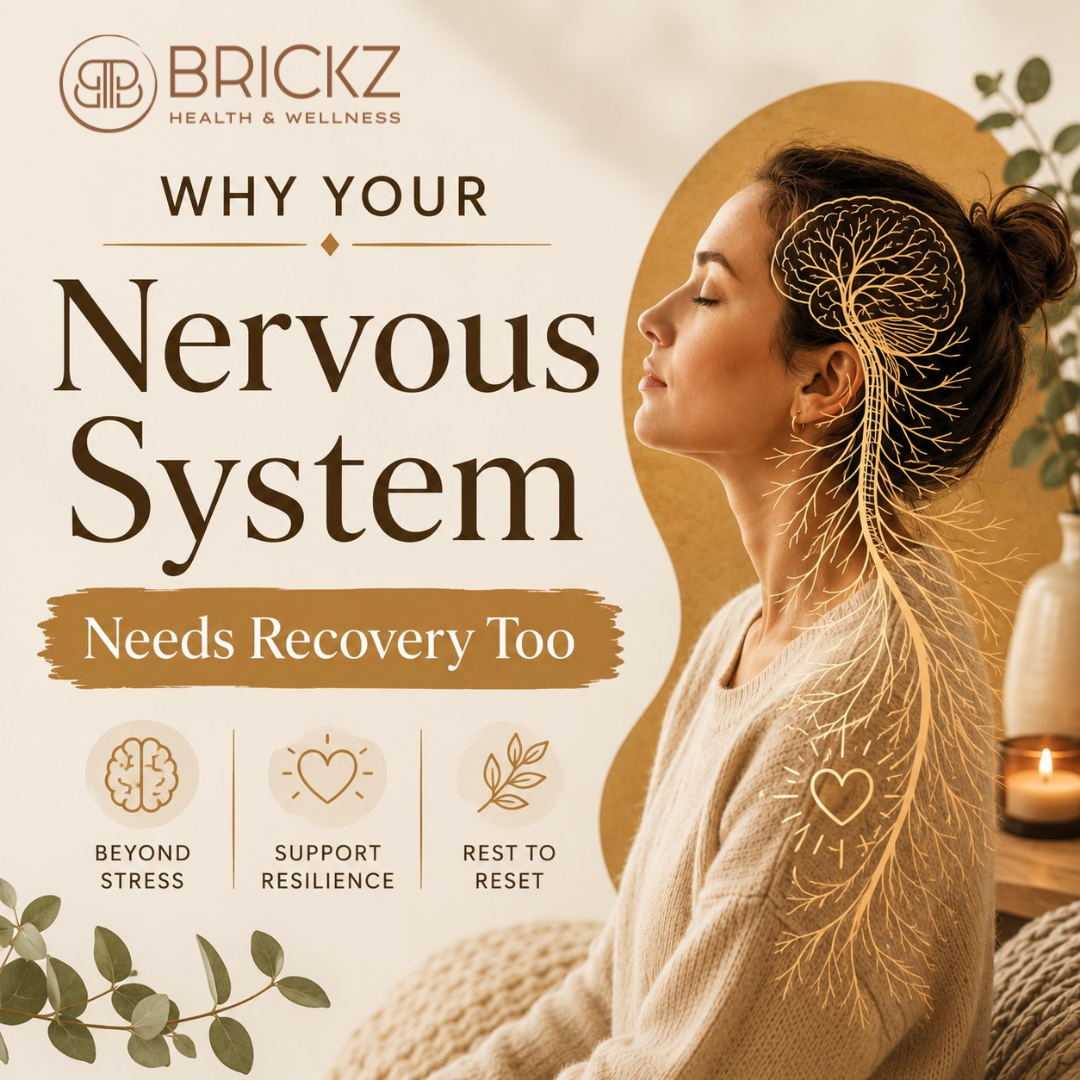
When the body perceives stress, the nervous system shifts into a heightened state of alertness.
This response is designed to help us deal with short-term challenges. However, when work demands, family responsibilities, poor sleep, busy schedules, and daily pressures become constant, the body may struggle to return to a relaxed state.
Over time, this can affect how you feel physically, mentally, and emotionally.
Common Signs Your Body May Be Stuck in Stress Mode
1. You're Always Tired
Do you wake up feeling exhausted even after a full night's sleep?
Chronic stress can leave the body feeling depleted, making it difficult to feel rested and energized.
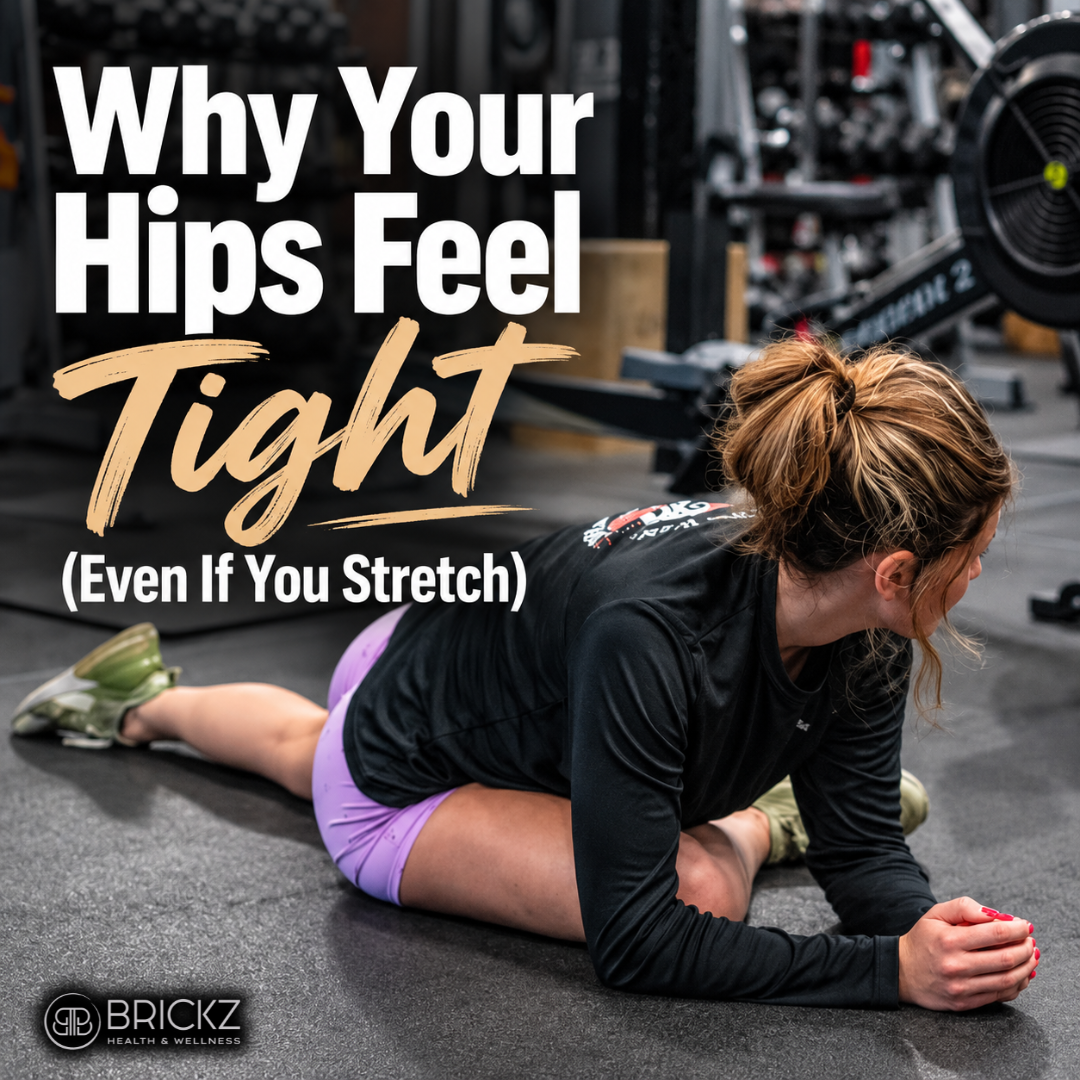
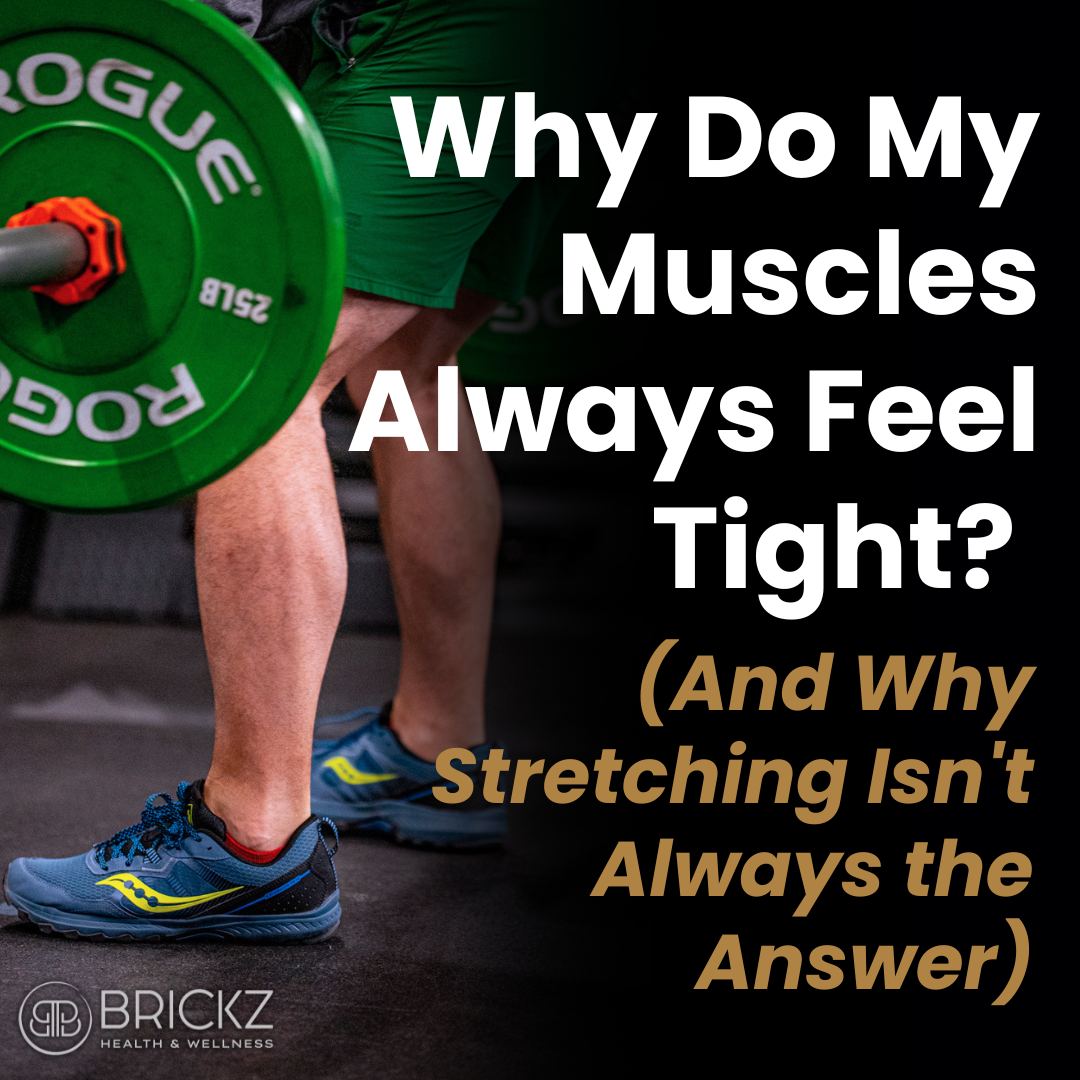
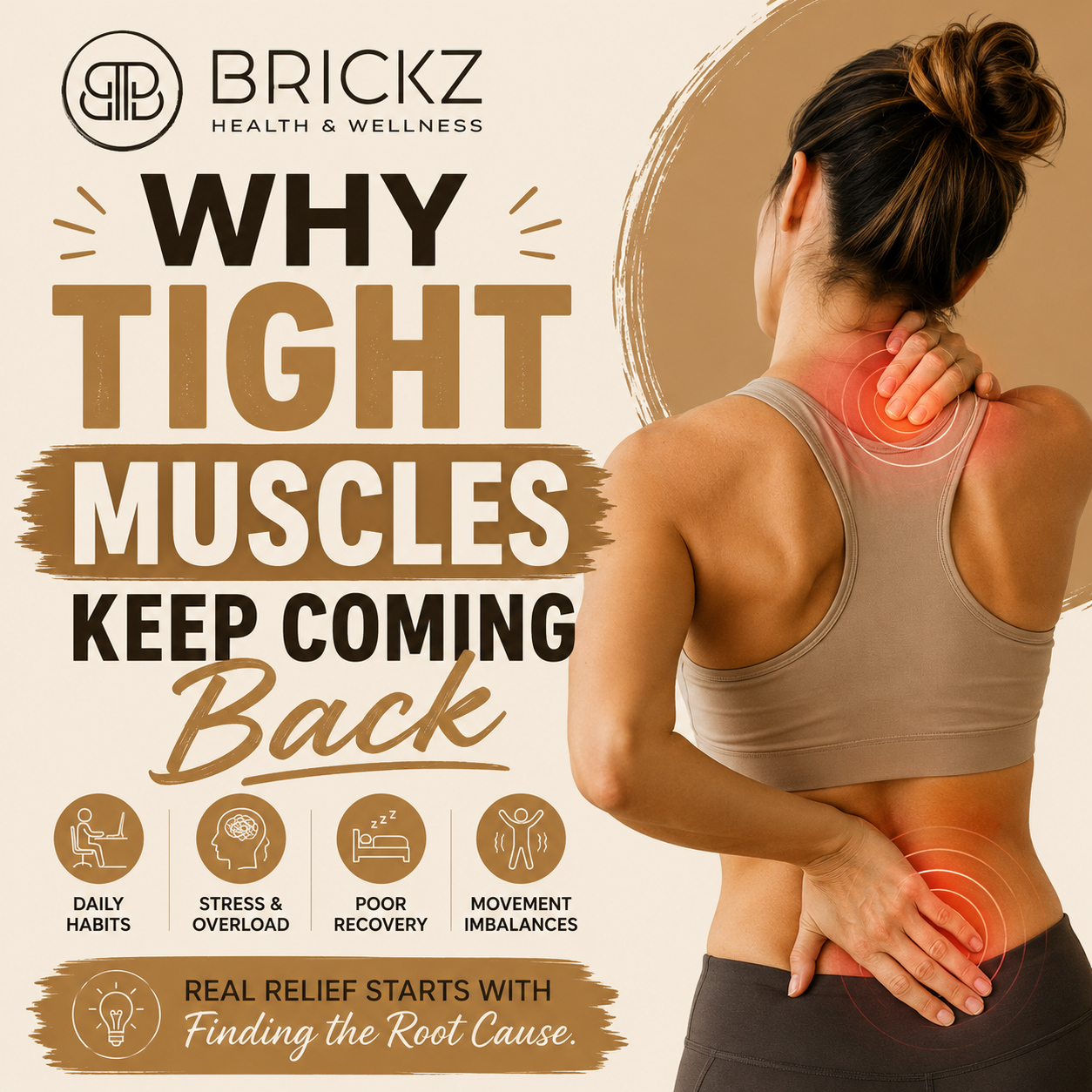
2. Your Muscles Always Feel Tight
Stress often shows up physically.
Many people experience:
- Tight shoulders
- Neck tension
- Low back discomfort
- Jaw tension
- Headaches
If your muscles constantly feel tight despite stretching, stress may be playing a role.
3. You're Having Trouble Sleeping
Difficulty falling asleep, staying asleep, or waking up feeling refreshed can all be signs that the body is struggling to fully relax.
Recovery begins with quality rest.
4. You Feel Overwhelmed by Small Things
When the body is under prolonged stress, even minor challenges can feel bigger than they actually are.
You may feel:
- Irritable
- Short-tempered
- Easily frustrated
- Mentally exhausted
5. Your Workouts Feel Harder Than Normal
Exercise is a form of stress on the body.
When your system is already overloaded, recovery becomes more difficult and workouts may feel more challenging than usual.
6. You're Constantly Getting Headaches or Jaw Tension
Many people unknowingly carry stress in their neck, shoulders, and jaw.
Frequent headaches, teeth clenching, or TMJ discomfort can sometimes be linked to ongoing stress and muscle tension.
7. You Have Trouble Relaxing
Have you ever sat down to relax but still felt restless?
One of the biggest signs of chronic stress is feeling like you can never truly "shut off."
Why Recovery Matters
The solution isn't always doing more.
Sometimes the body needs opportunities to slow down, recover, and reset.
Recovery helps support:
- Stress management
- Muscle relaxation
- Mobility
- Sleep quality
- Energy levels
- Overall well-being
Think of recovery as giving your body permission to recharge.
Recovery Strategies We Love
At Brickz Health & Wellness, many of our clients use recovery services to help support their overall wellness routine.
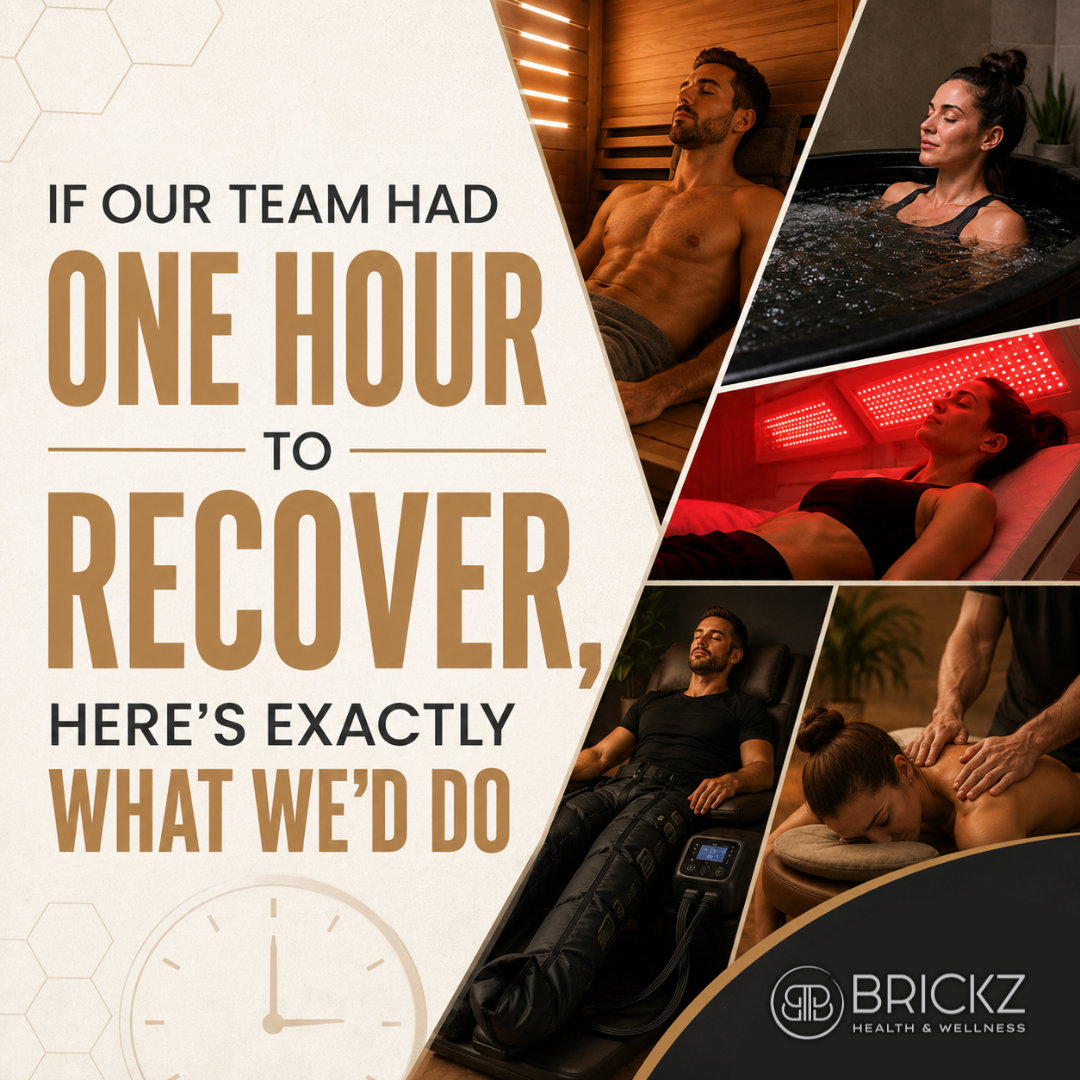
Some of our favorite combinations include:
A powerful contrast therapy experience that helps many people feel refreshed, energized, and mentally recharged.
A great combination for relieving muscle tension while supporting relaxation and recovery.
Perfect for active individuals, tired muscles, and those looking to unwind after a busy week.
For those dealing with chronic tension, muscle tightness, headaches, or TMJ-related discomfort, combining targeted treatment with recovery can be a powerful approach.
Final Thoughts
Stress is unavoidable.
Staying stuck in stress mode doesn't have to be.
If you're constantly tired, tight, overwhelmed, or struggling to relax, your body may be asking for recovery.
At Brickz Health & Wellness, we believe recovery isn't a luxury—it's part of taking care of your health.
Because when your body recovers better, everything else tends to work better too.